Planning a Cape Cod vacation brings many great questions, and a few odd ones. We hear the same handful of questions often: getting around, road signs, wildlife, and local words no map explains. So, it seemed like the right time to write them all down, starting with the basics.
Still weighing where to stay near Chatham while you plan your trip? Keep reading, since we’re about to answer all 15 questions, straight from the people who live here.
How Should You Get Around During Your Cape Cod Vacation?
Reaching the good stuff on Cape Cod takes a plan, not just a map. Here’s what gets you where you’re going, and when to slow down.
Car or Bike: What’s Safer on Cape Cod Roads?
We tell our guests that the best way to explore Cape Cod towns is by car. You’ll miss so many special Cape Cod attractions without one.
Our roads stay narrow, our night lighting is limited, and many visitors don’t know their way around, which makes biking any of the roads risky. The designated bike paths are safe for cyclists. However, biking will not get you to all the wonderful spots Cape Cod offers. Also, public transportation is slow, and Uber adds up fast.
When Is Traffic Lightest on the Cape in Summer?
Those of us who live here year-round notice that sunny beach days bring the least traffic. Truth is, a lot of visitors and second homeowners fill the Cape each summer, and traffic comes with that territory. If you’re picking the best time to visit Cape Cod for quieter roads, a sunny beach day in the summer is usually it. Of course, if you come during the off-season, the roads are much less congested.
Why Does the Drive to Provincetown Take So Long?
You can reach Provincetown in about 45 minutes if you skip every unique stop, beach, and favorite place to eat along the way. Or slow down and enjoy the drive instead. We always suggest the stop-and-explore option, even if you never quite make it to Provincetown.
Why Are Cape Cod’s Roads and Signs So Confusing?
A few local signs stump even seasoned visitors, and that’s part of the charm. Once you know why, it becomes one of our favorite inside jokes.
Why Does the Route 28 Sign Say South to Orleans and Provincetown?
To keep visitors on their toes. Road directions and compass directions don’t always agree here on Cape Cod. Route 28 begins at the New Hampshire border and runs south the entire way to the Cape. Even after it reaches the Cape, the road keeps its official south designation, so a sign pointing north to Provincetown still says south.
What Do “Thickly Settled” Signs Mean?
Honestly, we don’t really notice these signs, since they’re so common here. Massachusetts defines a thickly settled area as one with homes spaced under 200 feet apart for at least a quarter mile. Most importantly, it sets a speed limit of 30 miles per hour. So slow down when you see one.
Is There Really a Tunnel Under the Cape Cod Canal?
Don’t we all wish? Nope, it doesn’t exist. It’s just a bumper sticker you’ll see on locals’ cars, which makes things feel worse during summer bridge traffic. You’re not missing a shortcut. The bridges, ferries, or the train are the only ways on and off the Cape.
Where Is the Beach Boardwalk?
In our part of the Cape, there’s no beach boardwalk like you’ll find in other beachy areas. We have some small roads with sections along the water where you can walk instead.
What Should You Know About Cape Cod Wildlife and Weather?
Cape Cod’s wildlife and weather surprise most first-time visitors. Once you know what to expect, they transform into some of your best vacation stories.
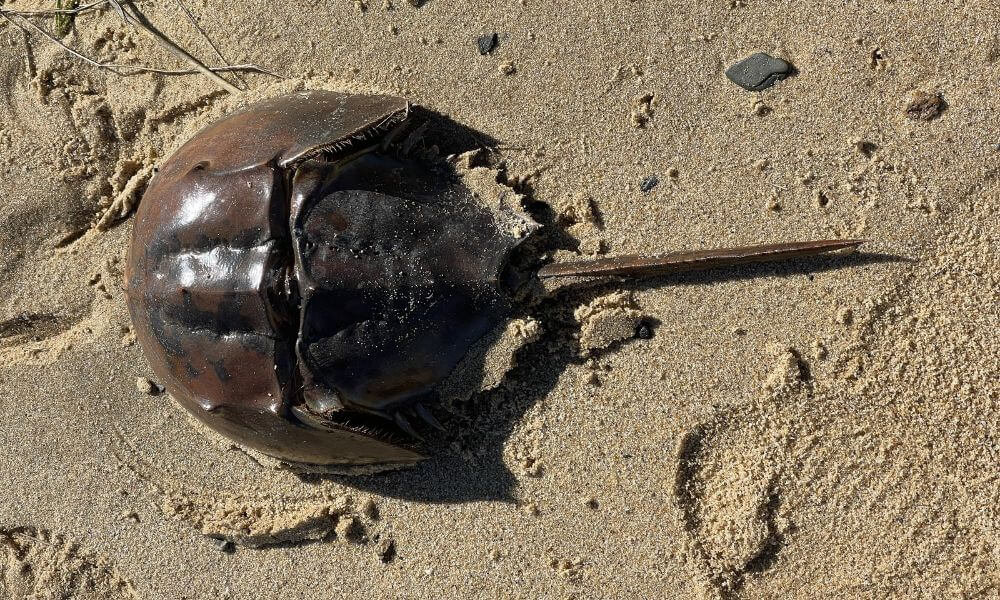
What Are the Large Brown Spiny Things on the Beach?
Unless you drew us a picture, we’re guessing you saw a horseshoe crab. They’ve been on this planet for 350 to 450 million years. Between July and September, they molt and leave shells scattered across some of Chatham’s best beaches.
They won’t bite, and they usually swim away or bury themselves in the sand. It’s definitely not cool to pick one up by the tail, since the tail is an extension of its body.
The coolest thing about them is that their blood runs blue, thanks to a copper-based protein called hemocyanin. Labs use it to test vaccines and IV drugs for dangerous bacteria, then return each crab safely to the water.
Can You Eat the Oysters You Find on the Beach?
They are edible as long as the beach isn’t closed to shellfishing. You’re, technically, supposed to have a shellfish permit to keep them. Do people grab a few off the beach for a special treat? Yes, plenty do. However, we wouldn’t make a habit of it, though, since you can’t always tell if they’re big enough to reproduce.
What Does a Cranberry Bog Actually Look Like?
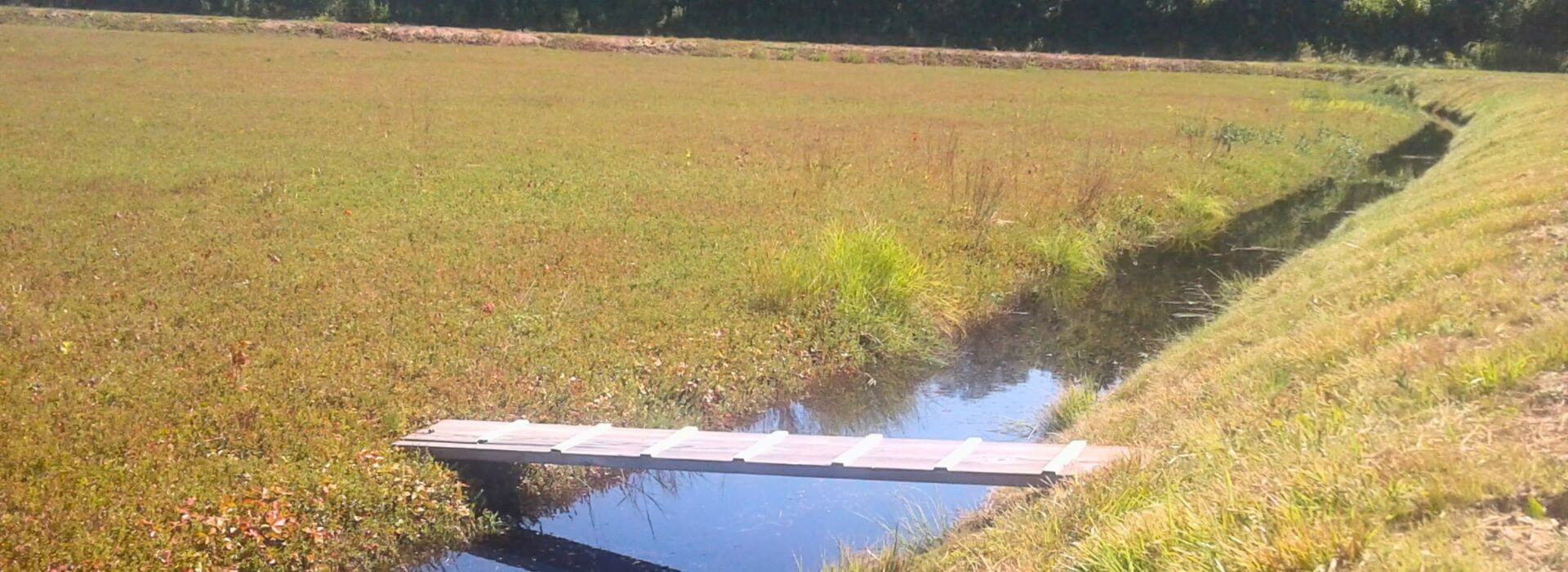
So many people ask this without realizing they’ve probably already driven right past a bog. Before harvest, the green fruit hides under the leaves in low, ditch-lined fields.
During a wet harvest, growers flood the bog, and a machine loosens the ripe berries so they float free. A dry harvest skips the flooding and fills roadside stands with fresh berries each fall. However, a wet harvest is more picturesque.
Does It Snow on Cape Cod?
Yes, and in the coldest winters, ponds freeze solid enough for skating, hockey, and ice fishing. Some years, even the ocean collects ice chunks along the shore. Then summer brings highs in the upper 80s; we get it all on Cape Cod. Guests often ask how our koi pond survives winter; a bubbler keeps the water from freezing.

What Do Locals Call Things on Cape Cod?
Cape Cod has its own vocabulary, and locals rarely explain it unless you ask. Learn a few, and you’ll sound like a local.
What’s a Washashore?
Anyone not born and raised on Cape Cod is a washashore, no exceptions. It doesn’t matter how many years you’ve lived here full-time; there’s no getting out of it. New residents wear the nickname with pride, and you will too.
Why Do Locals Call Them Ponds Instead of Lakes?
Because we live in New England, and we like to do things our own way. It’s tradition to call them ponds, even though some are technically lakes.
The Cape holds roughly 900 freshwater ponds, most of them kettle ponds formed when melting glaciers left ice and sediment behind. You can swim in nearly all of them, and a true kettle pond never holds salt water.
Why Do Locals Call Provincetown “Ptown”?
Because that’s what we’ve always called it, parents included, and it’s simply easier to say than Provincetown. It stuck, and locals use either name without much thought.
What Is a Wellfleetian (Fleetian)?
To us, it’s simply a Wellfleet resident who was born and raised there. No idea why we call them this, it’s just something we’ve done since we were little. It’s not derogatory; it’s only a nickname.
Plan Your Own Cape Cod Vacation
A Cape Cod vacation always comes with a few surprises, from contradicting signs to washashores who never quite become locals. You’ll find plenty of Cape Cod activities and things to do nearby, from ponds to cranberry bogs and so much more.
Couples, families, and dogs are all welcome here. We even have a dog-friendly vacation guide to help you plan. Our staff live here year-round and love all these questions.
Ready to plan your first (or subsequent) Cape Cod vacation?
Book your stay at Pleasant Bay Village Resort, and let us show you the Cape the way only a local can.